How to detect a hidden water leak in your home
Detecting hidden water leaks in your Texas home can save you money and prevent damage. Discover the signs and methods to find them easily.
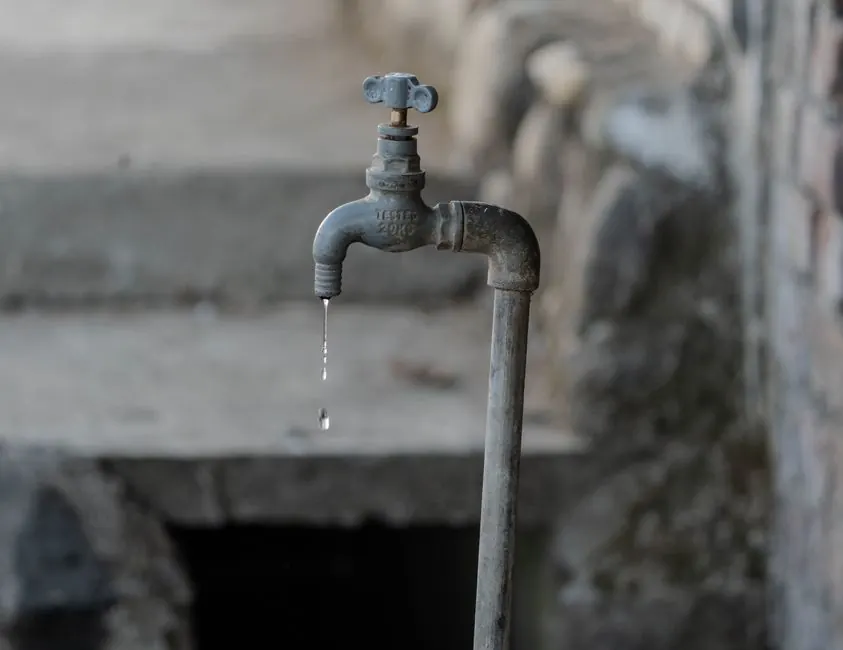
Detecting a hidden water leak in your home is crucial for preventing costly damage. Homeowners in Texas must be vigilant as these leaks can lead to severe structural issues and increased water bills.
This guide explores the methods to detect hidden water leaks, common signs to look for, and when to seek professional help from Texas Leak Pros.
What is hidden water leak detection?
Hidden water leak detection is the process of identifying leaks that are not visible to the naked eye, often located behind walls, under floors, or in other concealed areas. In Texas, where fluctuating weather can exacerbate plumbing issues, being proactive about detecting these leaks is essential.
Common signs of hidden leaks in Texas
Several indicators can signal hidden leaks in your home. Recognizing these signs early can save you from extensive damage:
- Increased water bills: A sudden spike in your water bill without an increase in usage often suggests a hidden leak.
- Water stains: Discoloration on walls or ceilings can indicate water pooling behind them.
- Mold or mildew: The presence of mold or mildew in areas that are typically dry can point to a hidden leak.
- Wet spots: Unexplained wet spots on floors or carpets are a clear sign of a leak.
- Sound of running water: If you hear water running when no fixtures are in use, there may be a leak.
How to find leaks in my home
Finding leaks in your home requires a systematic approach. Here are steps you can take:
- Check your water meter: Turn off all water sources in your home and note the water meter reading. Wait a few hours and check again. If the reading has changed, you likely have a leak.
- Inspect appliances: Look for signs of leaks around appliances such as water heaters, refrigerators, and washing machines.
- Examine your plumbing: Check exposed pipes for any signs of corrosion or moisture.
- Utilize dye testing: For toilets, add food coloring to the tank. If the color appears in the bowl after a few minutes, there's a leak.
Tips for identifying hidden leaks in Texas
Given Texas's unique climate conditions, here are additional tips for identifying hidden leaks:
- Monitor humidity levels: High humidity indoors can be a sign of leaks.
- Inspect your yard: Look for unusually green patches in your lawn, which may indicate a leak in the irrigation system.
- Pay attention to foundation cracks: Cracks in your foundation can be exacerbated by hidden leaks.
- Regular maintenance: Schedule regular plumbing inspections, especially if your home is older.
Common mistakes to avoid
When attempting to detect hidden leaks, avoid these common pitfalls:
- Ignoring small signs: Small leaks can lead to significant damage if overlooked.
- Delaying action: Addressing leaks promptly can prevent more extensive repairs and costs.
- DIY repairs without knowledge: Attempting to fix leaks without proper knowledge can cause further damage.
When to call a professional
If you suspect a hidden leak but cannot find it, it's time to call a professional. Texas Leak Pros specializes in hidden leak detection in Texas and can accurately diagnose and repair leaks, saving you time and money.
Frequently Asked Questions
What are the signs of a hidden water leak in Texas? Common signs include increased water bills, water stains on walls or ceilings, and the presence of mold or mildew.
How can I find a hidden leak in my home? Check your water meter, inspect appliances, and look for wet spots or sounds of running water when no fixtures are in use.
Why is hidden leak detection important in Texas? Early detection prevents costly damage to your home and reduces water waste, which is crucial in Texas's variable climate.
What should I do if I find a leak? If you discover a leak, turn off the water supply and call a professional for immediate assistance.